
Coding da Vinci - Berlin 2017
Since its inception in 2014, the culture hackathon Coding da Vinci has brought together the cultural sector with creative technology communities to explore the creative potential of digital cultural heritage. Over a several-week sprint phase hackathon teams, together with representatives of cultural institutions, develop working prototypes --for example apps, websites, data visualisations, games or interactive installations-- that show surprising and inspiring new ways to communicate and make use of institutions' collections and artifacts in the digital age.
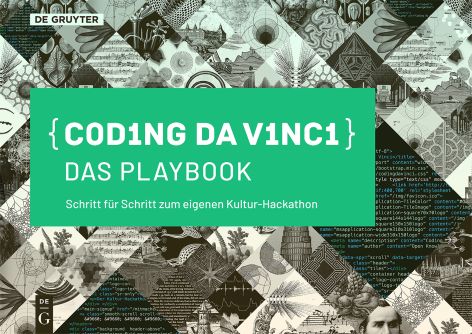
Das Coding da Vinci-Playbook
Step by step to your own culture hackathon
Coding da Vinci has become a movement for open cultural data: Become a part of it now!
With the Coding da Vinci Playbook, you can run your own culture hackathons. It works like a cookbook: try out the whole menu, individual courses, or just certain ingredients - according to your taste. Benefit from many years of experience from a total of 14 Coding da Vinci editions, which guides you step by step through the organization of the entire process - from the provision of data to the creative "magic moment" of the kick-off to the presentation of the results.
The potential of open cultural data
... is shown by the creative digital projects made by, to date, over 2000 hackathon participants, on the basis of hundreds of datasets contributed by almost 200 cultural institutions.

362 Institutions
488 Data sets

217 Projects
Projects
All apps, websites, data visualizations, games, interactive installations and even hardware developed at Coding da Vinci on the basis of open cultural data are available here permanently and under open licenses.
Everybody's darling, Best design
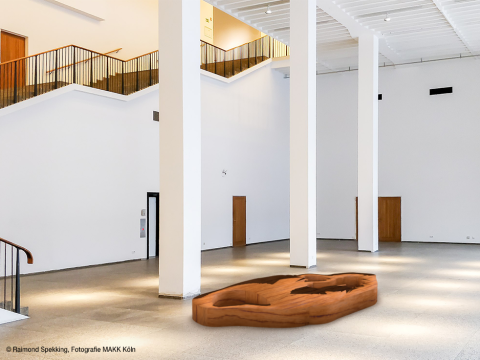
Research Generative Design
Das Projekt RESEARCH GENERATIVE DESIGN beschäftigt sich explorativ und spielerisch mit generativer Gestaltung, KI und deren Anwendung. WIP.
Most technical
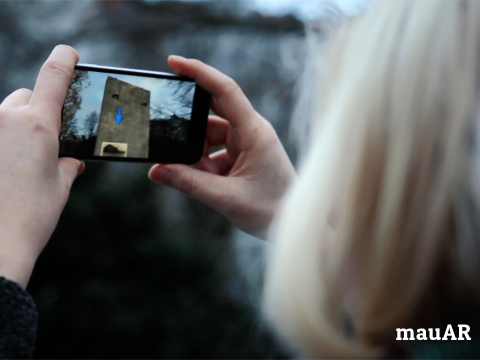
Berliner MauAR
Die Berliner Mauer ersteht mit Augmented Reality vor Ort wieder auf
Event
Publikumspreis
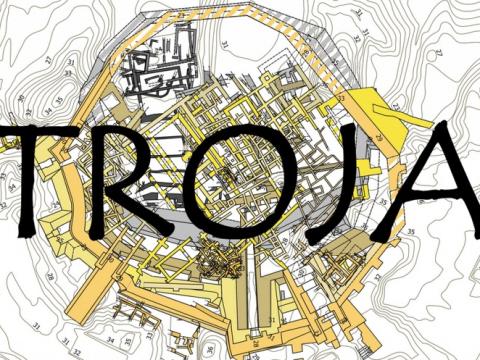
Troia erleben
Unser Projekt hat zum Ziel, Troia erlebbar zu machen. Es richtet sich an Museumsbesucher und Troia-Interessierte.
Everybody's darling
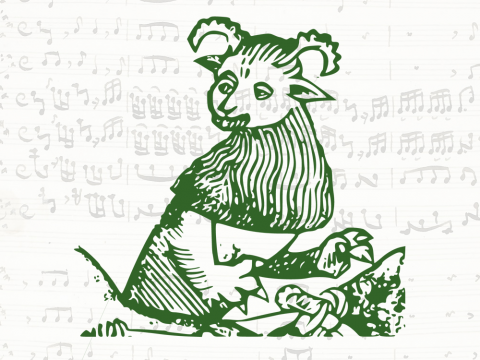
MonsterMelodies
Spieler besiegt mit Hilfe von Melodien illustrierte Monster
Event
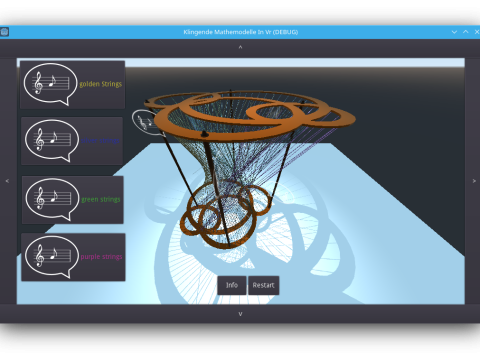
Melodic mathematical models in VR
Mathematical models not only to look at but also for listen too - just sonified mathematical models in virtual-reality.
Event
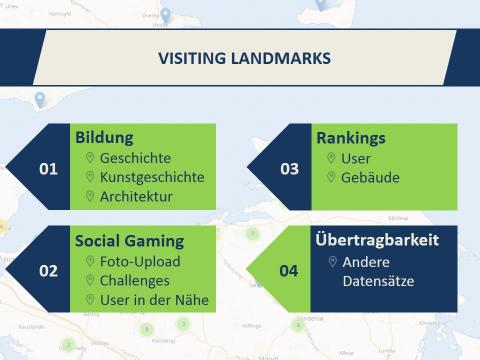
Visiting Landmarks
Geolocation-Collection-Game, das den Besuch eines denkmalgeschützten Gebäudes registriert, mit Infos belohnt und der eigenen Sammlung “hinzufügt”
Event
webARei
Augmented Reality-Guide (mit Bildern, Videos, Texten und Sounds) für die Weberei im LWL-Industriemuseum TextilWerk Bocholt
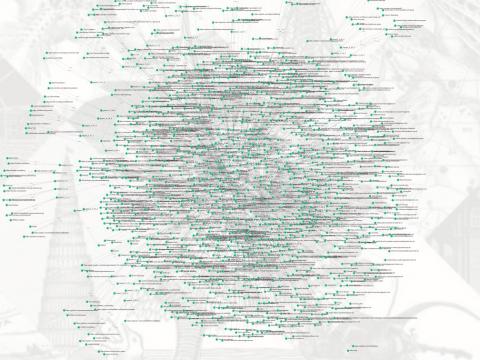
VisualizingDaVinci
Dieser Knowledge Graph visualisiert den Impact, den Coding da Vinci bisher schon hatte und beantwortet viele Fragestellungen zum Projekt.
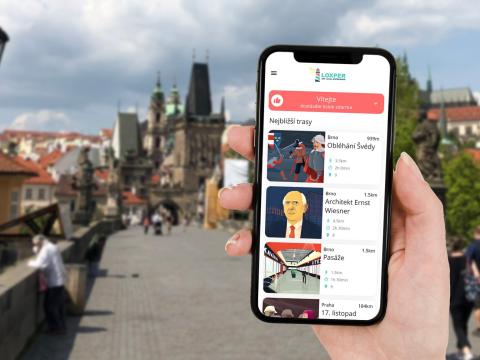
Loxper virtual guide
We are creating platform with mobile app for virtual tourist guide.
Event
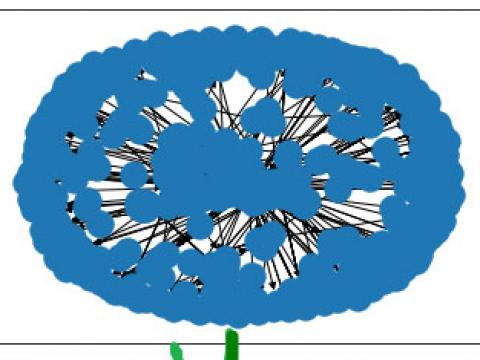
American Guild - Network Data
Visualisation de données à la base d'échanges postales entre des intellectuels allemands éxilés et la "American Guild for German Cultural Freedom"
Event

JaRm
Game in welchem Gegenstände aus einem Museum entwendet werden
Everybody's darling
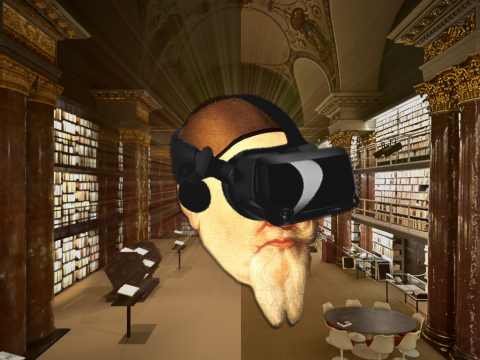
Herzog VR August
Wir erwecken die Herzog-August-Bibliothek zum virtuellen Leben. Das Bücherrad darf dort zwar nicht angefasst werden, aber wir wollen am Rad drehen!
Event
Everybody's darling
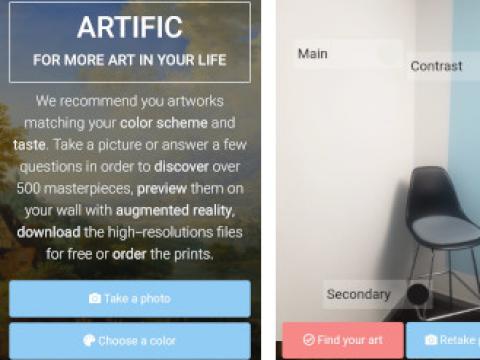
Artific
Empfiehlt Kunstwerke nach persönlichem Geschmack und integriert Kunst in unseren Alltag
Event
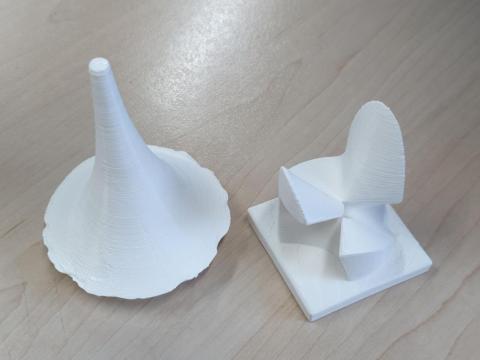
Math with Models
Webseite zur Darstellung der Mathematische Gipsmodelle der MUT und Bereitstellung dieser als druckbare 3D-Modelle
Event
Out of competition
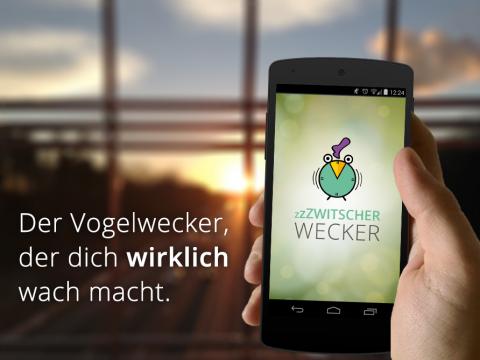
zzZwitscherwecker
Der Wecker, der nur ausgeht, wenn man die richtige Vogelart errät
Event
SnatchTheCultureGame
Computerspiel zur Kuration einer eigenen Ausstellung mit Werken aus dem Spielearchiv
Event
Daten
The digital treasures that more than 350 cultural institutions have made available to Coding da Vinci over the years remain open for reuse - all under free licenses, of course.
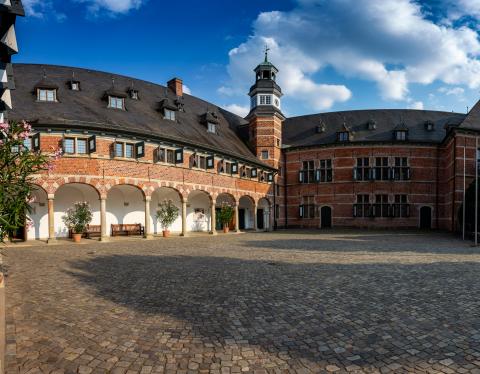
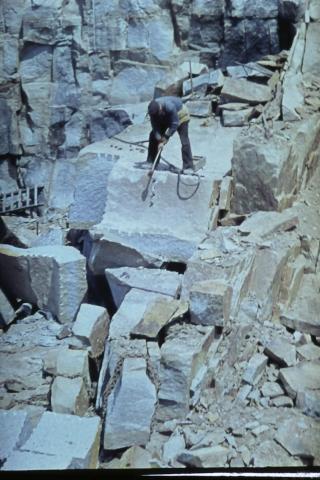
Harte Arbeit, schwerer Stein
Schlesisch-Oberlausitzer Museumsverbund gGmbH, Granitabbaumuseum Königshainer Berge
Veranstaltung
Bild
Ton
Video
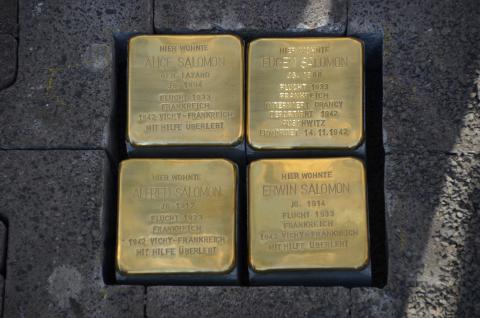
Die Mainzer Stolpersteine
i3mainz, Institut für Raumbezogene Informations- und Messtechnik, Hochschule Mainz
Veranstaltung
Text
Bild

Studierendendaten der Universität Tübingen 1829-1906
UB - Universitätsarchiv Tübingen
Veranstaltung
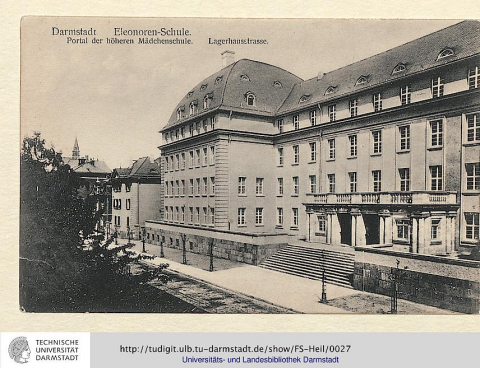
Verknüpfung zur Gemeinsamen Normdatei
Gemeinsame Normdatei
Veranstaltung
Veranstaltung
Veranstaltung
Veranstaltung
Text