Coding da Vinci - Berlin 2017
Since its inception in 2014, the culture hackathon Coding da Vinci has brought together the cultural sector with creative technology communities to explore the creative potential of digital cultural heritage. Over a several-week sprint phase hackathon teams, together with representatives of cultural institutions, develop working prototypes --for example apps, websites, data visualisations, games or interactive installations-- that show surprising and inspiring new ways to communicate and make use of institutions' collections and artifacts in the digital age.
Das Coding da Vinci-Playbook
Step by step to your own culture hackathon
Coding da Vinci has become a movement for open cultural data: Become a part of it now!
With the Coding da Vinci Playbook, you can run your own culture hackathons. It works like a cookbook: try out the whole menu, individual courses, or just certain ingredients - according to your taste. Benefit from many years of experience from a total of 14 Coding da Vinci editions, which guides you step by step through the organization of the entire process - from the provision of data to the creative "magic moment" of the kick-off to the presentation of the results.
The potential of open cultural data
... is shown by the creative digital projects made by, to date, over 2000 hackathon participants, on the basis of hundreds of datasets contributed by almost 200 cultural institutions.

362 Institutions

488 Data sets

217 Projects
Projects
All apps, websites, data visualizations, games, interactive installations and even hardware developed at Coding da Vinci on the basis of open cultural data are available here permanently and under open licenses.

Unser modernes Hamburg // Fritz Schumacher
Visualisierung der städtebaulichen und gestalterischen Zusammenhänge der Bauten Fritz Schumachers auf den aktuellen Stadtplan Hamburgs
Event
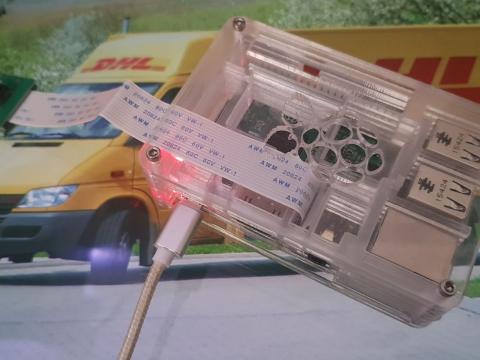
DeliveryDetector
Historische Posthornklänge weisen den Nutzer auf die Ankunft von DHL-Autos vor seiner Haustür hin
Event
Most FAIR
ansights
ansights verknüpft Dokumente anhand ihres Inhaltes mit thematisch passenden Artikeln des Deutschen Reichsanzeigers und Preußischen Staatsanzeigers.
Intersubjektive Kunstkarte / IK
Mit Hilfe der Intersubjektiven Kunstkarte oder kurz IK, soll dargestellt werden, was viele Subjekte in einem Bild erkennen.
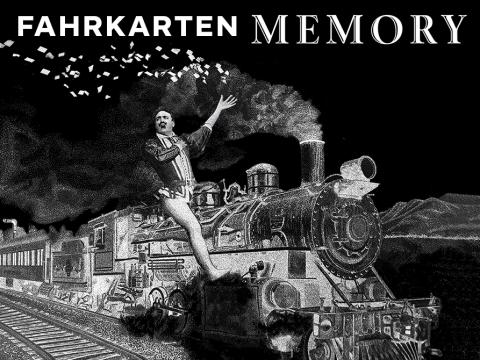
Historisches Fahrkarten-Memory
Memory mit den schönsten historischen Eisenbahn-Fahrkarten
Event
Best design

COVER.BOUTIQUE
App zum Erstellen von individuellen Handyhüllen - mit Bildern aus unterschiedlichen Kulturinstitutionen
Event
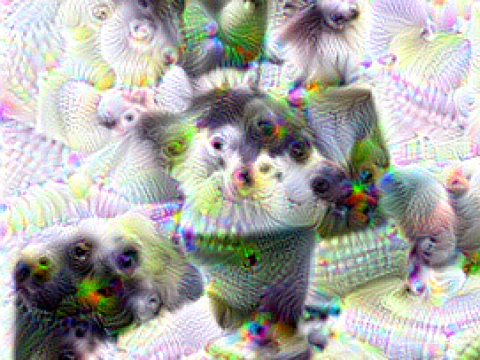
Kann KI mit offenen Daten kreative sein?
Erkundung der aktuellen Möglichkeiten mit denen jede*r mit KI kreativ sein kann.
Spaß mit Wappen
Verschiedene Visualisierungen und Spiele (z.B. Quiz) zu den Wappen anbieten in einer Webapplikation
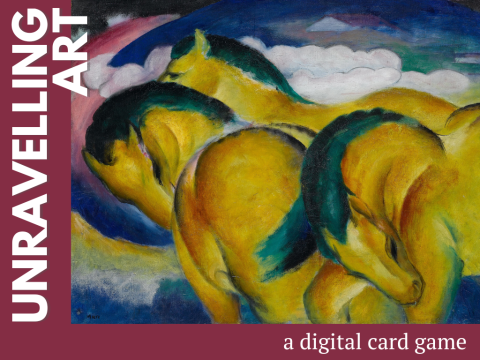
Unravelling Art
Unravelling Art ist ein digitales Kartenspiel für kunstbegeisterte Museumsbesucher.
Most FAIR
ansights
ansights verknüpft Dokumente anhand ihres Inhaltes mit thematisch passenden Artikeln des Deutschen Reichsanzeigers und Preußischen Staatsanzeigers.
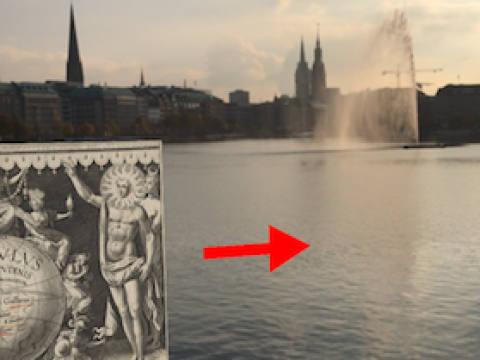
Kupferguerillas
Mit Spielen und Nutzung von Augmented Reality werden historische Kupferstiche für ein neues Publikum erschlossen
Event
Best design
FabSeal
In einer Online-Ausstellung kann man sich durch die automatisch erzeugten 3D-Objekte von historischen Siegeln klicken und erneut physisch herstellen.
Event
Most curious approach
ScrapHumor
ScrapHumor is a card game which merges two datasets seamlessly and it is funny! SrcapHumor is targeted to the youth.
Funniest hack
Appsolutly Old
Mit Appsolutly Old werden historische Daten zum Leben erweckt und an die gegenwärtigen Medien angepasst!
Event

Julies Traum - aus dem Tagebuch einer jungen BAZAR-Leserin
Storytelling über die Lebenswelt einer jungen Frau 1866. Was erzählen uns die alten Geschichten und Beiträge über die Entstehung der heutigen Welt?
Daten
The digital treasures that more than 350 cultural institutions have made available to Coding da Vinci over the years remain open for reuse - all under free licenses, of course.
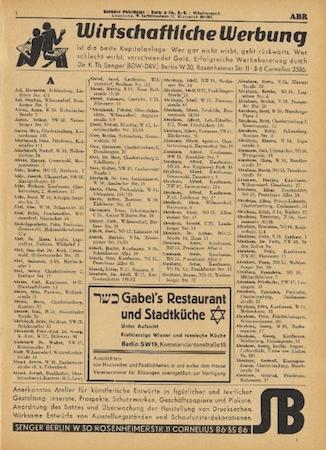
Einträge des Jüdischen Adressbuchs von Groß-Berlin 1931
Zentral- und Landesbibliothek Berlin
Text
Bild
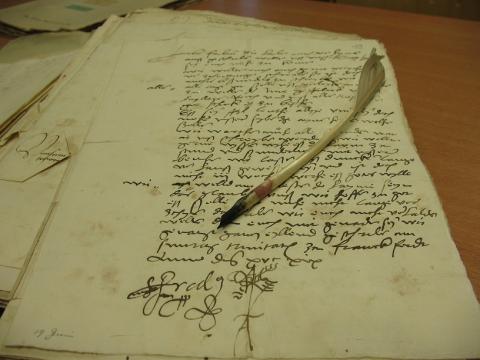
Reformation im Kontext frühneuzeitlicher Staatswerdung
Sächsische Akademie der Wissenschaften zu Leipzig
Veranstaltung


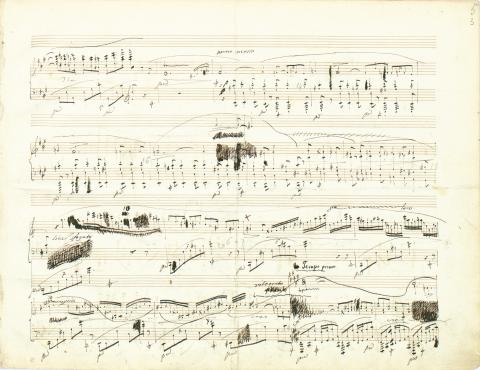
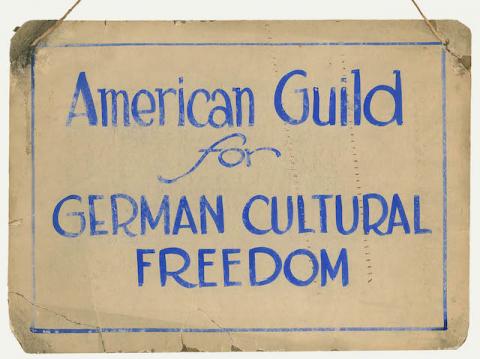
Archiv der Deutschen Akademie im Exil / American Guild for German Cultural Freedom
Deutsches Exilarchiv 1933-1945 der Deutschen Nationalbibliothek
Veranstaltung
Video