Coding da Vinci - Berlin 2017
Since its inception in 2014, the culture hackathon Coding da Vinci has brought together the cultural sector with creative technology communities to explore the creative potential of digital cultural heritage. Over a several-week sprint phase hackathon teams, together with representatives of cultural institutions, develop working prototypes --for example apps, websites, data visualisations, games or interactive installations-- that show surprising and inspiring new ways to communicate and make use of institutions' collections and artifacts in the digital age.
Das Coding da Vinci-Playbook
Step by step to your own culture hackathon
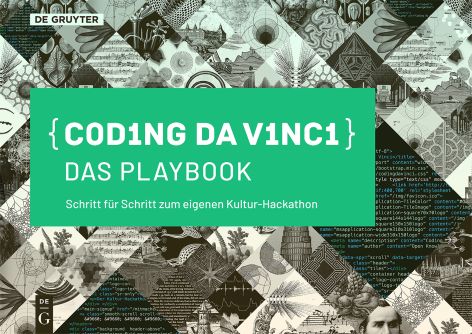
Coding da Vinci has become a movement for open cultural data: Become a part of it now!
With the Coding da Vinci Playbook, you can run your own culture hackathons. It works like a cookbook: try out the whole menu, individual courses, or just certain ingredients - according to your taste. Benefit from many years of experience from a total of 14 Coding da Vinci editions, which guides you step by step through the organization of the entire process - from the provision of data to the creative "magic moment" of the kick-off to the presentation of the results.
The potential of open cultural data
... is shown by the creative digital projects made by, to date, over 2000 hackathon participants, on the basis of hundreds of datasets contributed by almost 200 cultural institutions.

362 Institutions
488 Data sets

217 Projects
Projects
All apps, websites, data visualizations, games, interactive installations and even hardware developed at Coding da Vinci on the basis of open cultural data are available here permanently and under open licenses.
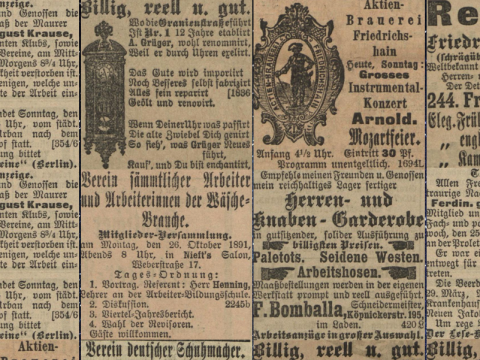
Kleinanzeigen aus dem Vorwärts von 1891
Einblicke in das Alltagsleben im sozialdemokratischen Milieu vor 130 Jahren
Everybody's darling
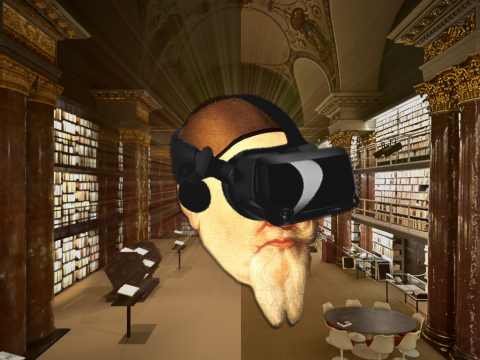
Herzog VR August
Wir erwecken die Herzog-August-Bibliothek zum virtuellen Leben. Das Bücherrad darf dort zwar nicht angefasst werden, aber wir wollen am Rad drehen!
Event
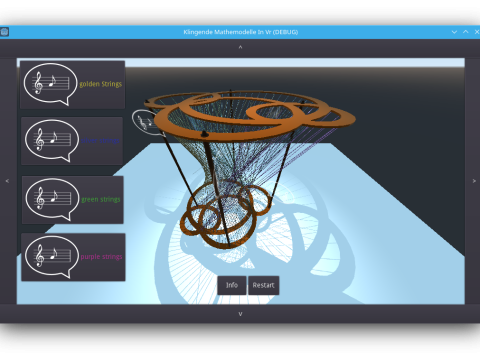
Klingende Mathemodelle in VR
Mathematische Modell nicht nur zum Anschauen sondern auch zum Anhören - klingende Mathemodelle in Virtual-Reality ebend.
Event
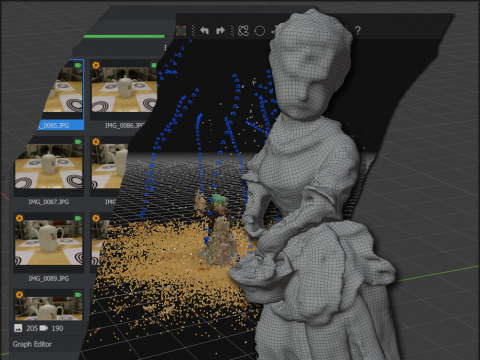
3D-Scans
Erstellung von 3D-Scans einzelner (Porzellan-)Objekte aus dem Herzog Anton Ulrich-Museum Braunschweig und dem Museum Schloss Fürstenberg.
Event
Funniest hack, Everybody's darling
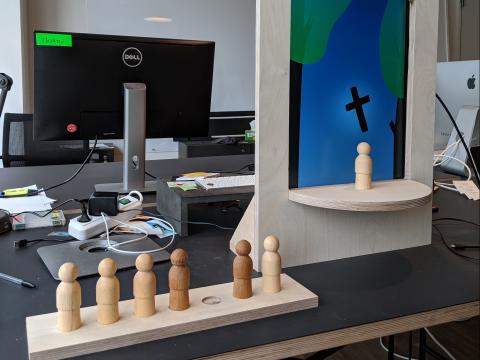
162 Ways to Die
Interaktive Installation, die den Zugang zu den “Jesuitentafeln” des Stadtmuseums Landsberg erleichtert
Event
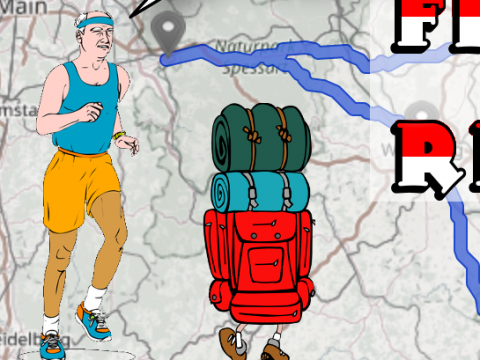
Fränkische Reise
Online-Reisespiel durch Franken, um den fränkischen Dialekt (besser) kennenzulernen
Event
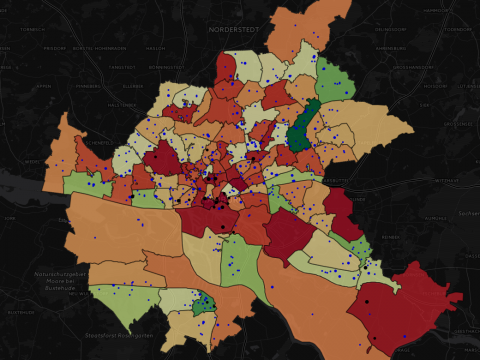
Hamburger Schüler im Museum
Visualisierung der Besuche Hamburger Schüler in den Museen der Hansestadt
Event
Everybody's darling
Herzog VR August
We're bringing the Herzog August Library alive in Virtual Reality. You're not allowed to touch the real book wheel there, but we want to spin it!
Event
HAMMERLORD
Rette die magische Welt der Zwerge! Mithilfe von Logik, Cleverness und HÄMMER!
TourWizArt
Touren rund um Kunst und Kultur erstellen und anderen zur Verfügung stellen
Event
Best design
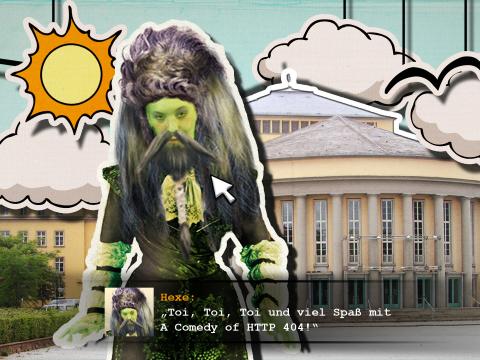
The Comedy of HTTP 404
Aventure Point-and-Click dans le rôle d'un.e stagier.ère qui chasse des esprits au Theâtre National de la Sarre
Event
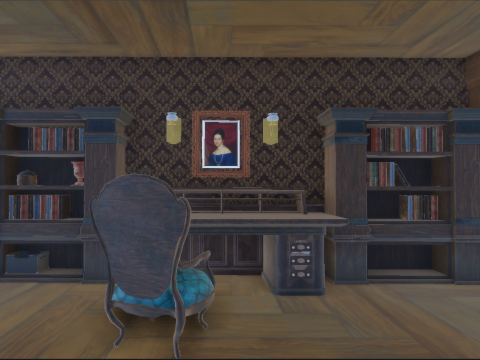
Hinter dem Rahmen - Immersives XR-Erlebnis
In jedem Gemälde steckt eine Person. Dieses Projekt zeigt eine Möglichkeit mit Augmented und Virtual Reality diese Person Besuchern näher zu bringen.
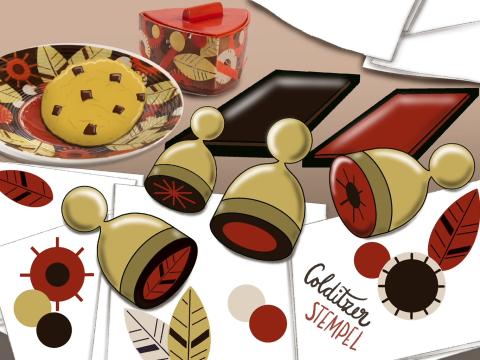
Fine Young Radicals
Colditzer Mustermix zum Stempeln: 100 Jahre alt und kein bisschen verstaubt
Event
Most technical
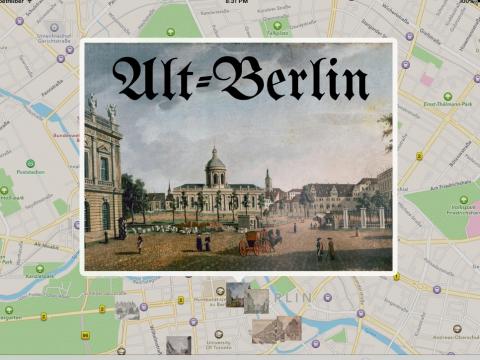
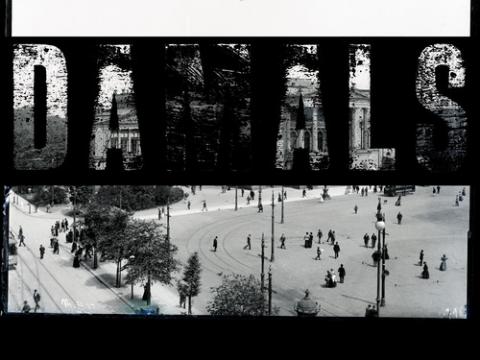
Alt-Berlin
IOS-App zur interaktiven Erforschung Berliner Stadtgeschichte mithilfe von Karten und Bildern
Event
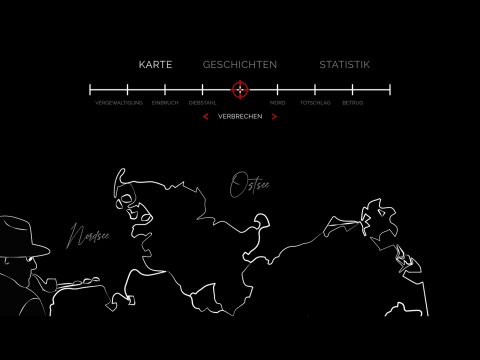
archiv criminalis
Gelangweilt von den heutigen Verbrechen? Dann schau doch lieber mal, was es im 19. Jahrhundert für spannende Verbrechen zu entdecken gibt.
Daten
The digital treasures that more than 350 cultural institutions have made available to Coding da Vinci over the years remain open for reuse - all under free licenses, of course.
Lesebücher Deutsches Kaiserreich
Georg-Eckert-Institut – Leibniz-Institut für internationale Schulbuchforschung
Veranstaltung
Text
Glossar: Regionalgeschichte.net
Institut für Geschichtliche Landeskunde an der Universität Mainze.V.
Veranstaltung
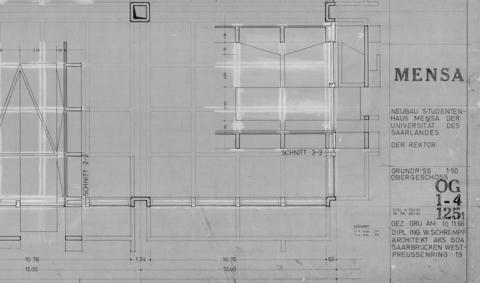
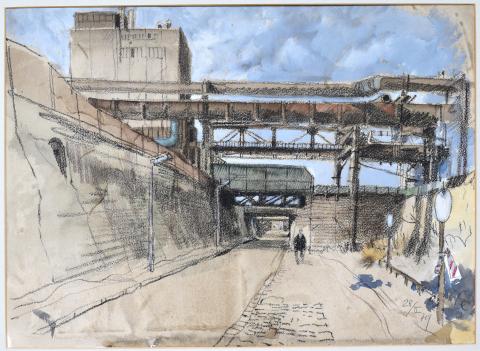
Nachlass Hans Georg Lenzen
Grafschafter Museum im Moerser Schloss / Eigenbetrieb Bildung der Stadt Moers
Veranstaltung
Bild
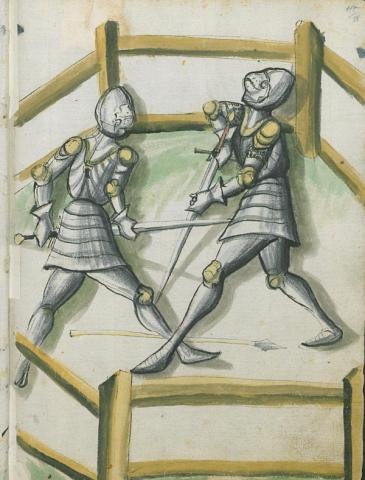
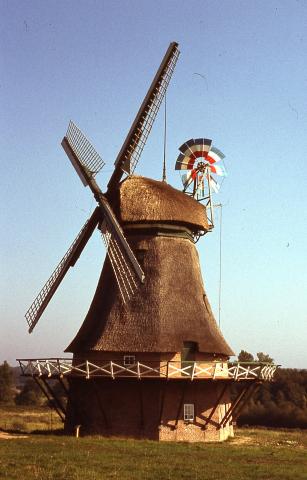
Dias aus dem Archiv des Freilichtmuseums
Freilichtmuseum Molfsee - Stiftung SH Landesmuseen Schleswig-Holstein
Veranstaltung
Bild