Coding da Vinci - Berlin 2017
Since its inception in 2014, the culture hackathon Coding da Vinci has brought together the cultural sector with creative technology communities to explore the creative potential of digital cultural heritage. Over a several-week sprint phase hackathon teams, together with representatives of cultural institutions, develop working prototypes --for example apps, websites, data visualisations, games or interactive installations-- that show surprising and inspiring new ways to communicate and make use of institutions' collections and artifacts in the digital age.
Das Coding da Vinci-Playbook
Step by step to your own culture hackathon
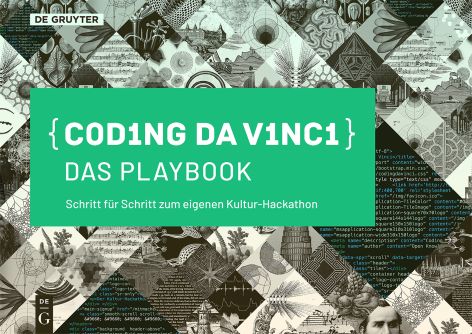
Coding da Vinci has become a movement for open cultural data: Become a part of it now!
With the Coding da Vinci Playbook, you can run your own culture hackathons. It works like a cookbook: try out the whole menu, individual courses, or just certain ingredients - according to your taste. Benefit from many years of experience from a total of 14 Coding da Vinci editions, which guides you step by step through the organization of the entire process - from the provision of data to the creative "magic moment" of the kick-off to the presentation of the results.
The potential of open cultural data
... is shown by the creative digital projects made by, to date, over 2000 hackathon participants, on the basis of hundreds of datasets contributed by almost 200 cultural institutions.

362 Institutions
488 Data sets

217 Projects
Projects
All apps, websites, data visualizations, games, interactive installations and even hardware developed at Coding da Vinci on the basis of open cultural data are available here permanently and under open licenses.
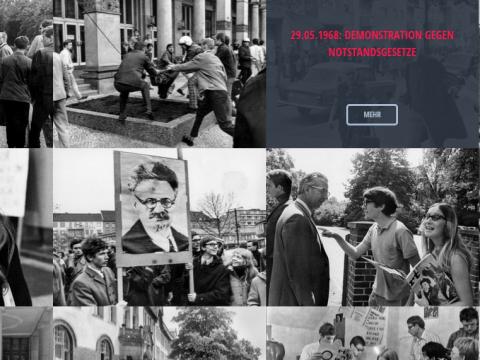
Bilder der Revolte
Mit Ludwig Binders Photos den Spuren der Studentenrevolte durch Berlin
Event
Everybody's darling
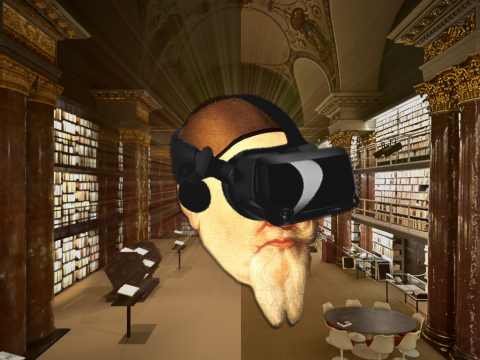
Herzog VR August
Wir erwecken die Herzog-August-Bibliothek zum virtuellen Leben. Das Bücherrad darf dort zwar nicht angefasst werden, aber wir wollen am Rad drehen!
Event
Publikumspreis
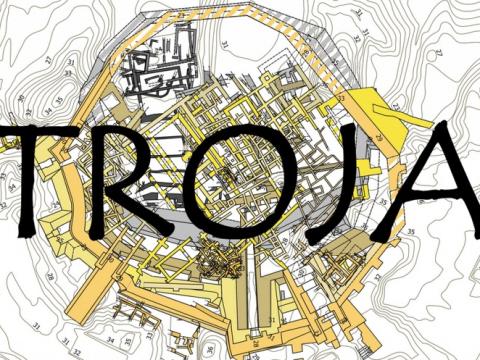
Troia erleben
Unser Projekt hat zum Ziel, Troia erlebbar zu machen. Es richtet sich an Museumsbesucher und Troia-Interessierte.
History Map
Eine verschiedenen Datensätzen basierende Map welche geografisch geordnete Informationen zu Datensätzen liefert

FRITZ reist um die Welt
Mit Crowdsourcing spielerisch 100.000 historische Fahrkarten sortieren.
Event
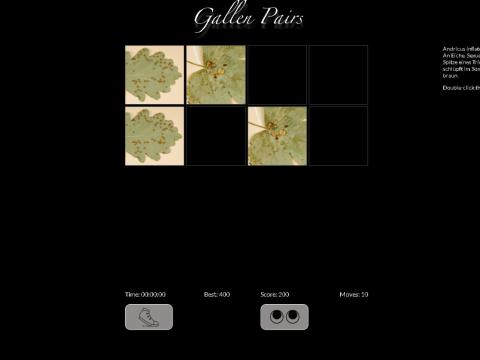
#halligallipairs
Aus 395 Objekten des Naturkundemuseums Stuttgart sind 68 fotografisch festgehalten: aus diesen entsteht das fantastische Paare-Spiel #halligallipairs
Most technical

Karten für Zeitreisende
Reise in Vergangenheit und entdecke historische Kölner Stadtkarten mit einer mobilen Anwendung direkt vor Ort!
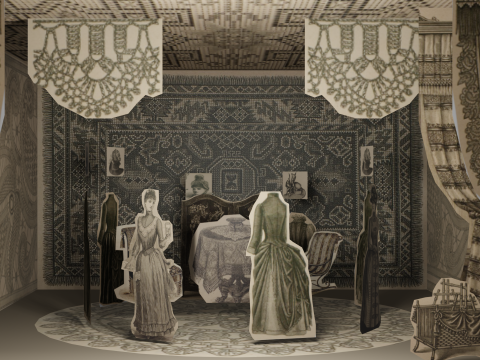
Bilderbazar - Eine Zeitmaschine
Machine Learning zur Bergung der Abbildungen aus den PDFs, Anreicherung mit Metadaten und Bereitstellung für Recherche und kreative Anwendungen.
#halligallipairs
Aus 395 Objekten des Naturkundemuseums Stuttgart sind 68 fotografisch festgehalten: aus diesen entsteht das fantastische Paare-Spiel #halligallipairs
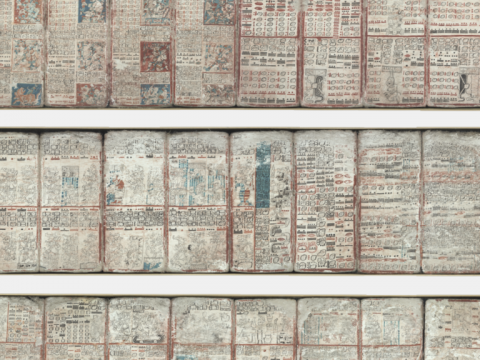
Maya Codex in 2,2 Gigapixeln
Hochauflösendes Panorama des Codes Dresdensis, in das man hineinzoomen kann
Event
Most sustainable

Silbermann Reloaded
Spiele eine alte Orgel und ein Cembalo mit Deiner Computer-Tastatur im Browser.
Event
FRITZ reist um die Welt
Mit Crowdsourcing spielerisch 100.000 historische Fahrkarten sortieren.
Event
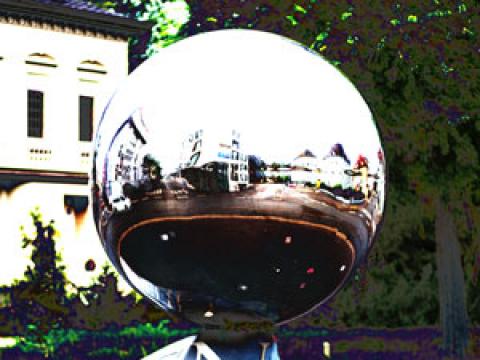
Crawling Feminism
Crawling von Google-Bildern zu Suchbegriffen in verschiedenen Ländern, um deren Sicht auf Feminismus, Freiheit und Gleichberechtigung zu verdeutlichen
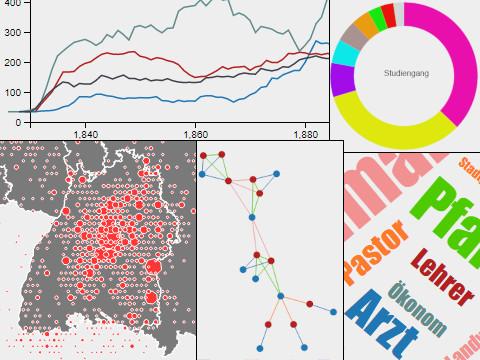
Analyse der Tübinger Studentendaten
Wir zeigen schöne Visualisierungen, wie Graphen, Verwandtschaftsbeziehungen, Karten und Bubble-Charts zu den Tübinger Studentendaten.
Best design
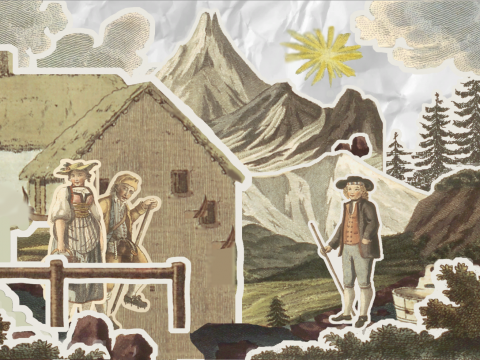
Bertuchs Bilderspiel
Auf einer Abenteuerreise im 19. Jahrhundert Kinderbilderbücher erstellen (und ausdrucken)
Event
Most playful
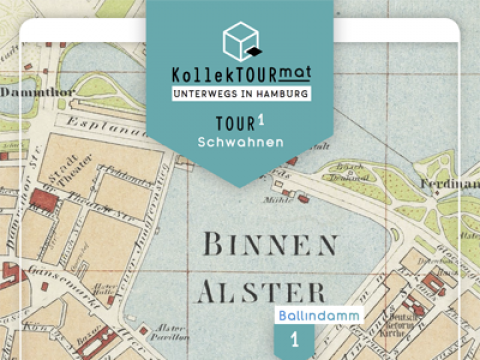
kollekTOURmat – unterwegs in Hamburg
Ein analoger Stadtrundgang durch Hamburg, nicht virtuell, dafür zum Entdecken, Sammeln und Mitnehmen!
Event
Daten
The digital treasures that more than 350 cultural institutions have made available to Coding da Vinci over the years remain open for reuse - all under free licenses, of course.
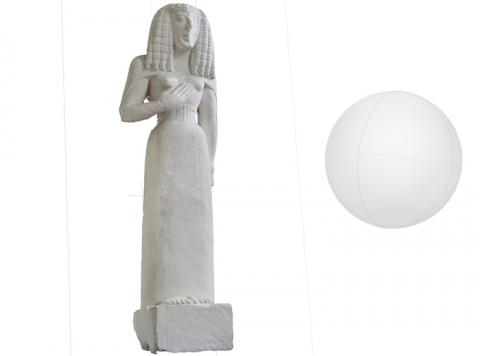
Statues antiques en plâtre - Moulages issus de la collection de la Chaire d'archéologie classique de l'Université de la Sarre
Lehrstuhl für Klassische Archäologie - Universität des Saarlandes
Veranstaltung
Bild
Modell

German-language periodicals published in Pilsen
Studijní a vědecká knihovna Plzeňského kraje / Education and Research Library of the Pilsen Region
Veranstaltung
Bild
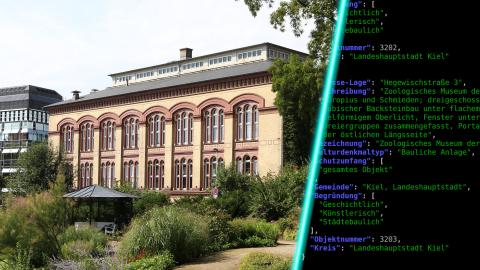
Denkmalliste Schleswig-Holstein
Open-Data-Leitstelle Schleswig-Holstein
Veranstaltung
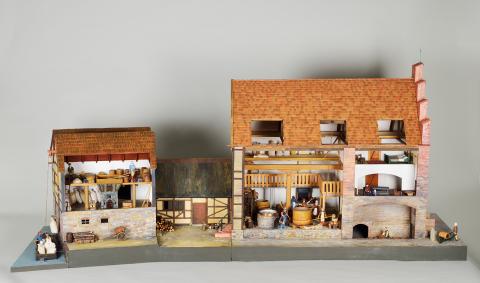
Kein Bier ohne Alster – Brauhaus der Hanse
Stiftung Historische Museen Hamburg – Museum für Hamburgische Geschichte
Veranstaltung
Bild