
Coding da Vinci - Berlin 2017
Since its inception in 2014, the culture hackathon Coding da Vinci has brought together the cultural sector with creative technology communities to explore the creative potential of digital cultural heritage. Over a several-week sprint phase hackathon teams, together with representatives of cultural institutions, develop working prototypes --for example apps, websites, data visualisations, games or interactive installations-- that show surprising and inspiring new ways to communicate and make use of institutions' collections and artifacts in the digital age.
Das Coding da Vinci-Playbook
Step by step to your own culture hackathon
Coding da Vinci has become a movement for open cultural data: Become a part of it now!
With the Coding da Vinci Playbook, you can run your own culture hackathons. It works like a cookbook: try out the whole menu, individual courses, or just certain ingredients - according to your taste. Benefit from many years of experience from a total of 14 Coding da Vinci editions, which guides you step by step through the organization of the entire process - from the provision of data to the creative "magic moment" of the kick-off to the presentation of the results.
The potential of open cultural data
... is shown by the creative digital projects made by, to date, over 2000 hackathon participants, on the basis of hundreds of datasets contributed by almost 200 cultural institutions.

362 Institutions
488 Data sets

217 Projects
Projects
All apps, websites, data visualizations, games, interactive installations and even hardware developed at Coding da Vinci on the basis of open cultural data are available here permanently and under open licenses.
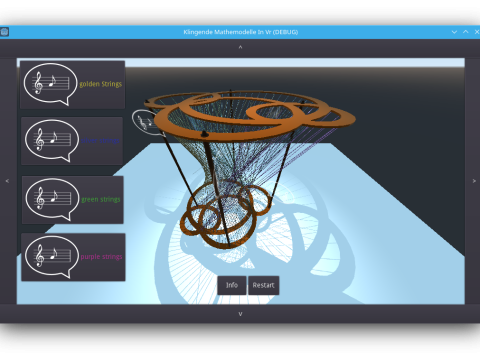
Melodic mathematical models in VR
Mathematical models not only to look at but also for listen too - just sonified mathematical models in virtual-reality.
Event
Casus Castellum
Lerne das Römerkastell Aalen und dessen Gegenstände spielerisch vor Ort oder von zuhause aus kennen.
Everybody's darling
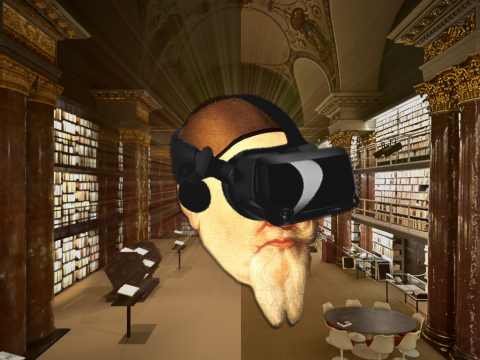
Herzog VR August
Wir erwecken die Herzog-August-Bibliothek zum virtuellen Leben. Das Bücherrad darf dort zwar nicht angefasst werden, aber wir wollen am Rad drehen!
Event
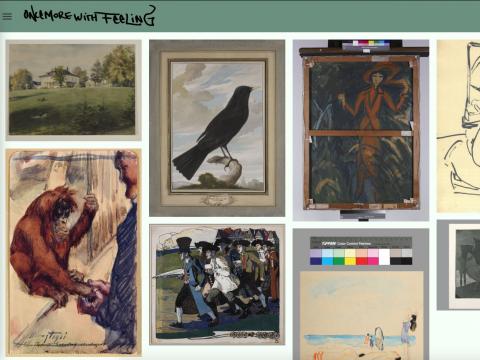
Once more with feeling - Collectiontagger
Web-App zur emotionalen Verschlagwortung von Kunstwerken der Modernen Galerie des Saarlandmuseums
Event

Yabusame!!
Ein unterhaltsames serious VR-Game ganz im Stil der japanischen Querrollen. Museumsbesuchende können sich im Zielschießen mit dem Bogen testen!
Everybody's darling
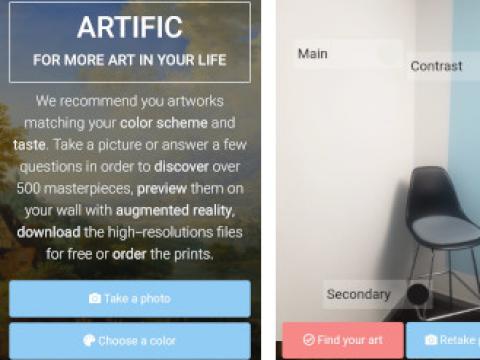
Artific
Empfiehlt Kunstwerke nach persönlichem Geschmack und integriert Kunst in unseren Alltag
Event
Crawling Feminism
Crawling von Google-Bildern zu Suchbegriffen in verschiedenen Ländern, um deren Sicht auf Feminismus, Freiheit und Gleichberechtigung zu verdeutlichen
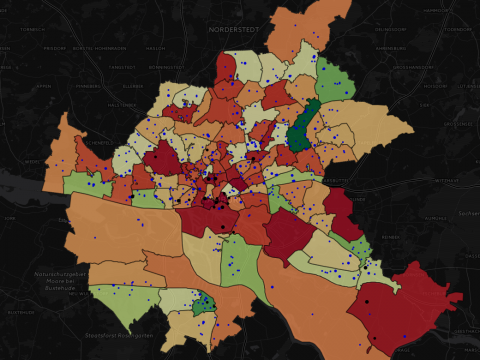
Hamburger Schüler im Museum
Visualisierung der Besuche Hamburger Schüler in den Museen der Hansestadt
Event
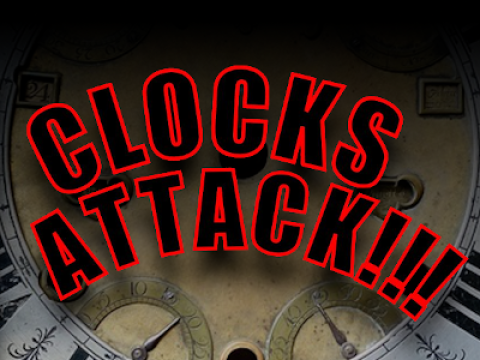
CLOCKS ATTACK!!!
In dem Videospiel CLOCKS ATTACK!!! bewahren Spieler verschiedene Figuren aus Kunst und Kultur davor, von Uhren aus Schloss Benrath geweckt zu werden.
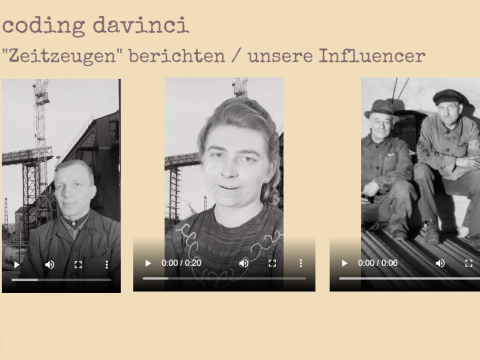
Old photos become influencers
Portrait pictures and photos of the Hirschfelde power plant are animated and report on everyday life.
Event
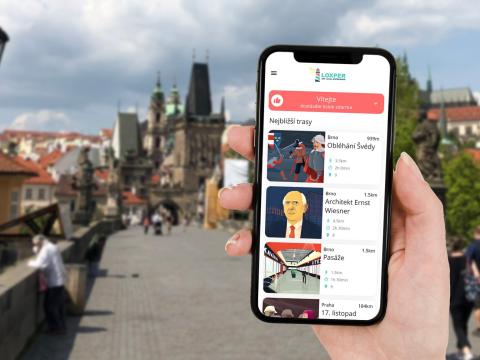
Loxper virtual guide
We are creating platform with mobile app for virtual tourist guide.
Event
Publikumspreis
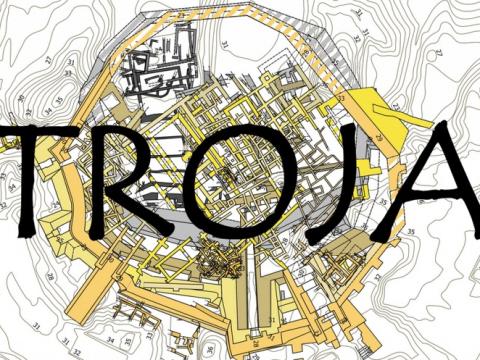
Troia erleben
Unser Projekt hat zum Ziel, Troia erlebbar zu machen. Es richtet sich an Museumsbesucher und Troia-Interessierte.
Flugblättlefieber
Besucher:innen des Haus der Geschichte BW verteilen in einem Spiel historische Flugblätter auf dem Stuttgarter Marienplatz in den 1920ern.
HAMMERLORD
Rette die magische Welt der Zwerge! Mithilfe von Logik, Cleverness und HÄMMER!
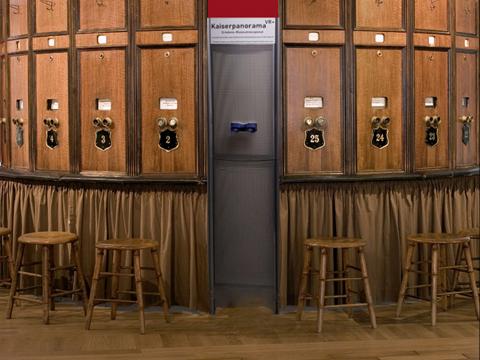
Kaiserpanorama VR+
Interaktive EInblicke in die Geschichte mithilfe einer VR-Brille und den Funktionen eines historischen Kaiserpanoramas
Event
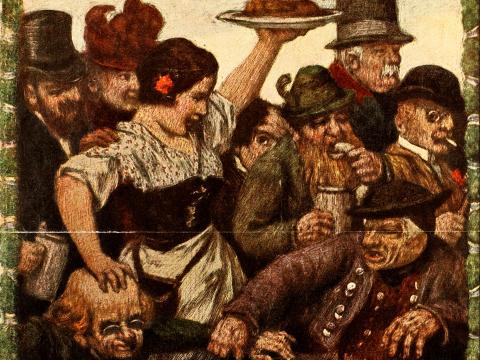
GastroGrantler
In der Rolle einer historischen Persönlichkeit entdeckt man in der virtuellen Stammtisch-App alltägliche und skurrile Gerichte vergangener Zeiten
Event
Daten
The digital treasures that more than 350 cultural institutions have made available to Coding da Vinci over the years remain open for reuse - all under free licenses, of course.
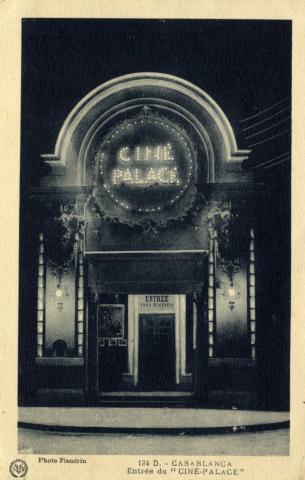

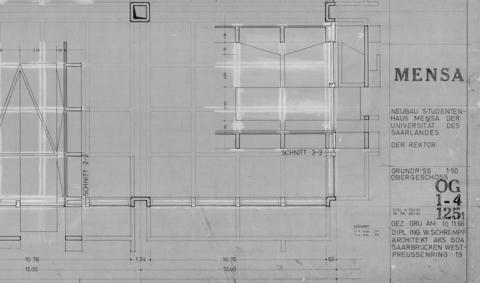

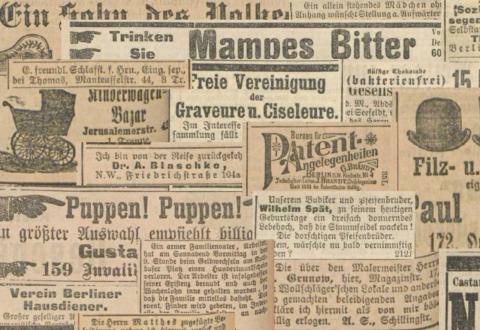
Gedrucktes Alltagsleben - Kleinanzeigen aus dem "Vorwärts"
Bibliothek im Archiv der sozialen Demokratie der Friedrich-Ebert-Stiftung
Veranstaltung
Text
Bild
Public-Domain-Videos im TIB AV-Portal
TIB – Leibniz-Informationszentrum Technik und Naturwissenschaften - TIB AV-Portal
Veranstaltung
Video
"Pressemappe 20. Jahrhundert" mit Personen- und Firmendossiers
ZBW Leibniz-Informationszentrum Wirtschaft
Veranstaltung
Veranstaltung