
Coding da Vinci - Berlin 2017
Since its inception in 2014, the culture hackathon Coding da Vinci has brought together the cultural sector with creative technology communities to explore the creative potential of digital cultural heritage. Over a several-week sprint phase hackathon teams, together with representatives of cultural institutions, develop working prototypes --for example apps, websites, data visualisations, games or interactive installations-- that show surprising and inspiring new ways to communicate and make use of institutions' collections and artifacts in the digital age.
Das Coding da Vinci-Playbook
Step by step to your own culture hackathon
Coding da Vinci has become a movement for open cultural data: Become a part of it now!
With the Coding da Vinci Playbook, you can run your own culture hackathons. It works like a cookbook: try out the whole menu, individual courses, or just certain ingredients - according to your taste. Benefit from many years of experience from a total of 14 Coding da Vinci editions, which guides you step by step through the organization of the entire process - from the provision of data to the creative "magic moment" of the kick-off to the presentation of the results.
The potential of open cultural data
... is shown by the creative digital projects made by, to date, over 2000 hackathon participants, on the basis of hundreds of datasets contributed by almost 200 cultural institutions.

362 Institutions
488 Data sets

217 Projects
Projects
All apps, websites, data visualizations, games, interactive installations and even hardware developed at Coding da Vinci on the basis of open cultural data are available here permanently and under open licenses.
Beste Gestaltung
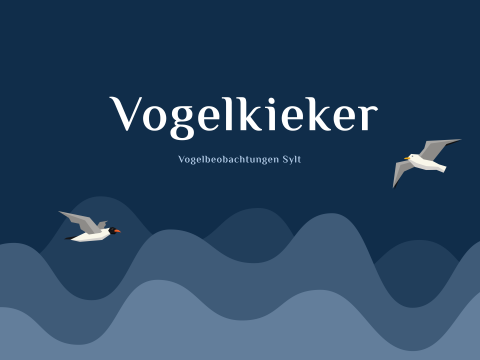
Vogelkieker - Vogelbeobachtungen Sylt
Kiek mol! Wir visualisieren das Vogelaufkommen auf der Insel Sylt. Entdecke die Vogelarten und lerne sie kennen.
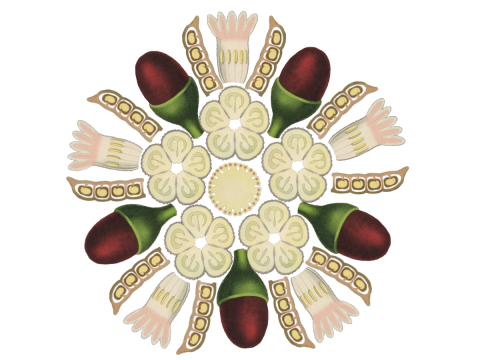
Plantala
Malen. Strahlen. Plantala! Diese wunderschöne Anti-Burn-Out-Anwendung verbindet historische Lehrtafeln mit digitaler Kreativität!
Event
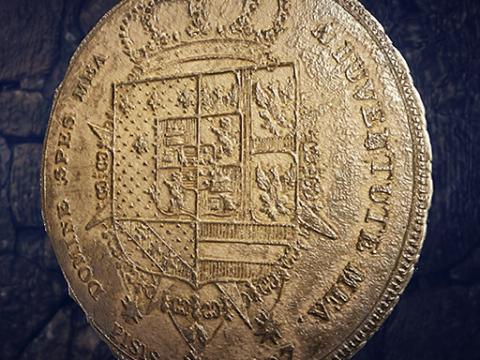
Wishing Well
Wishing Well soll einen ergebnisoffenen, spielerischen Zugang zur Münzsammlung der UB Leipzig bieten.
Event
JaRm
Game in welchem Gegenstände aus einem Museum entwendet werden
Everybody's darling
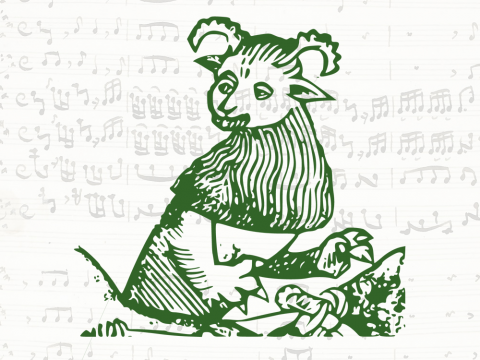
MonsterMelodies
Spieler besiegt mit Hilfe von Melodien illustrierte Monster
Event
Most technical

Karten für Zeitreisende
Reise in Vergangenheit und entdecke historische Kölner Stadtkarten mit einer mobilen Anwendung direkt vor Ort!
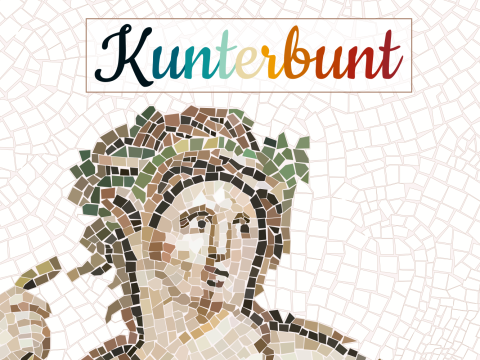
Kunterbunt
Gestalte die Dionysos-Mosaike mit frischen Farben neu und ergänze fehlerhafte Stellen nach deinen Vorstellungen.
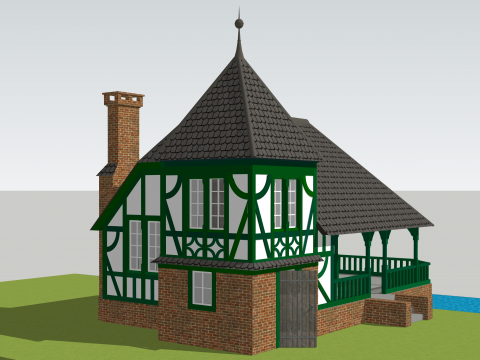
Spielhaus Schloss Evenburg Digital
Digitale Zeichnung des ehemaligen Spielhauses des Schlosses Evenburg als »SpielhausDigital«
Event
Publikumspreis
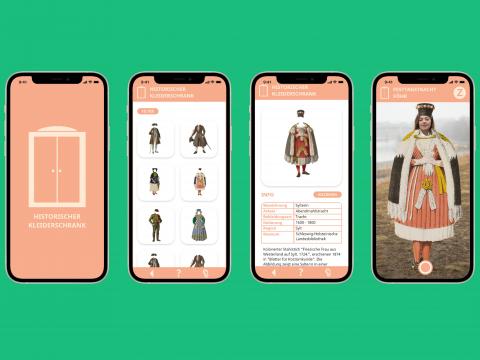
Historischer Kleiderschrank
Die Benutzer*innen könne mit Hilfe unserer AR-App in die Trachten aus unterschiedliche Jahrhunderten und Regionen schlüpfen.
Most technical
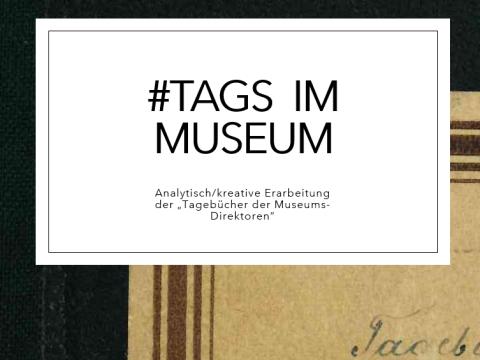
#Tagmotion, Tags im Museum
Erstellung von Anwendungen, die Menschen zur emotionalen Auseinandersetzung mit Tagebucheinträgen auffordern.
Event
Trinational award: Crossing borders & uniting data
BackToTheMap
Application uses React Native technology, implements interesting solutions of timeline and map display, including historical maps and data.
Event
TourWizArt
Touren rund um Kunst und Kultur erstellen und anderen zur Verfügung stellen
Event
ArtXFashion AI Designer
Dein Lieblingskunstwerk nicht nur im Kopf, sondern auch am Körper behalten.
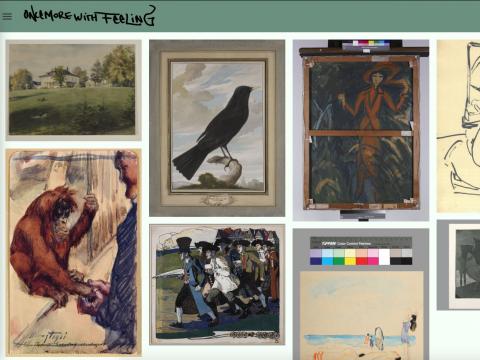
Once more with feeling - Collectiontagger
Application web pour attribuer des mots clés émotionels aux oeuvres d'art de la Moderne Galerie du Musée de la Sarre à Sarrebruck
Event
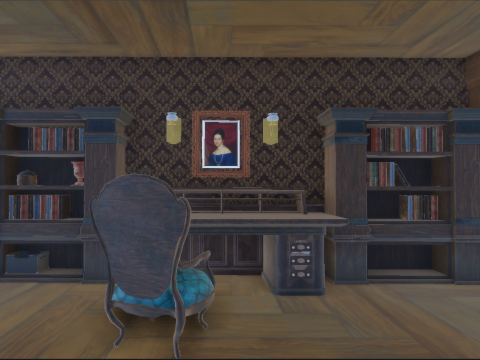
Hinter dem Rahmen - Immersives XR-Erlebnis
In jedem Gemälde steckt eine Person. Dieses Projekt zeigt eine Möglichkeit mit Augmented und Virtual Reality diese Person Besuchern näher zu bringen.
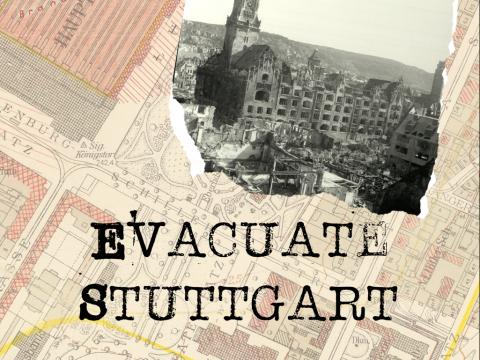
Evacuate Stuttgart
In dem Spiel sollen so viele Menschen wie möglich während Bombenangriffen in den 40er Jahren gerettet werden
Event
Daten
The digital treasures that more than 350 cultural institutions have made available to Coding da Vinci over the years remain open for reuse - all under free licenses, of course.
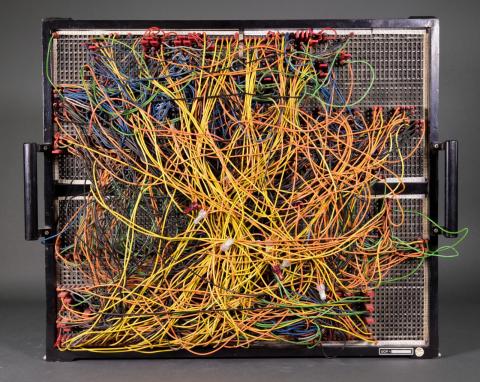
Objekte aus der Geschichte der Computertechnik
Rechnermuseum der Gesellschaft für wissenschaftliche Datenverarbeitung mbH Göttingen
Veranstaltung
Bild
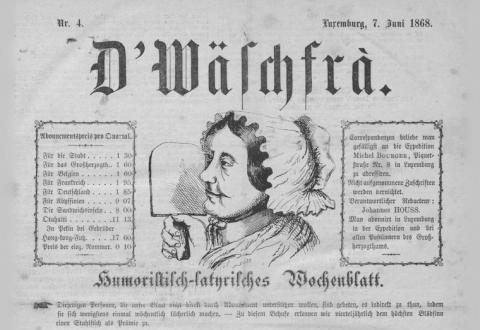

Studierendendaten der Universität Tübingen 1829-1906
UB - Universitätsarchiv Tübingen
Veranstaltung


Eine Jüdische Familie aus Aschaffenburg
Jüdisches Leben in Unterfranken (e.V.) / Stadt- und Stiftsarchiv Aschaffenburg
Veranstaltung
Bild